EPDM roofing
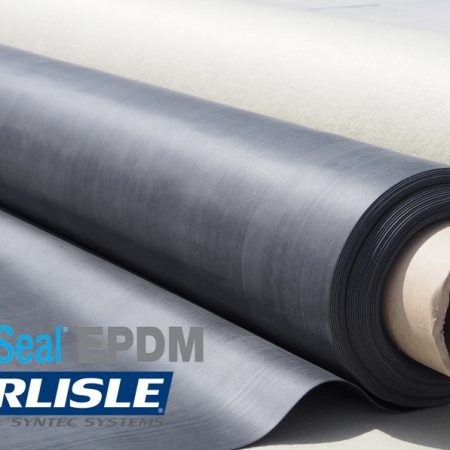
The EPDM roofing is a single-layer synthetic rubber membrane made of ethylene propylene diene terpolymer mixed with soot, oils, hardeners and technological additives. The EPDM roofing is used for low-pitched roofs in new or renovated buildings.
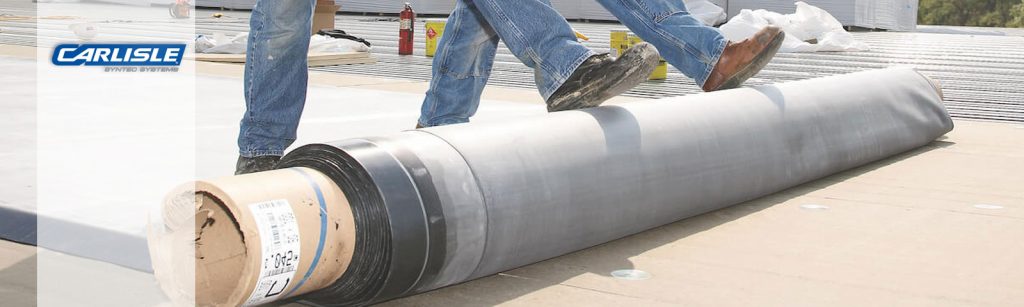
If you’re looking for a quality roofing membrane that can last 50 years or more, consider EPDM. This versatile membrane is suitable for various building roofs and boasts numerous excellent properties. EPDM roofing is one of the highest quality and most practical options available. It is easy to install, highly durable, and resistant to various environmental conditions, all while being made from eco-friendly materials.
As you read on, you will discover various EPDM roofing options available at competitive prices. Our specialists are ready to provide you with consultations on all your roofing needs and help you find the most suitable installation solution for your roof.
THE EPDM COATING FEATURES LONG LIFETIME
EPDM is a time-tested material under real weather conditions. The EPDM black membrane has been used for roofing worldwide for over 50 years. When testing 30-year-old EPDM specimens, it was found that the tensile strength, tear resistance, flexibility and tensile properties of the specimens meet or exceed the requirements for new membranes, and the material fully retains its durability. The EPDM membrane has high resistance to ozone and UV radiation.
An environmentally friendly product – The EPDM coating does not emit any pollutants, so this choice is especially attractive for those who seek sustainable management of natural resources. The collected rainwater can be used for household and watering lawns or gardens.
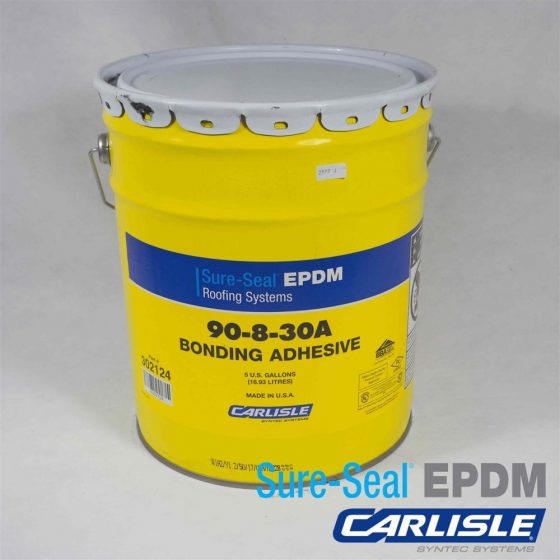
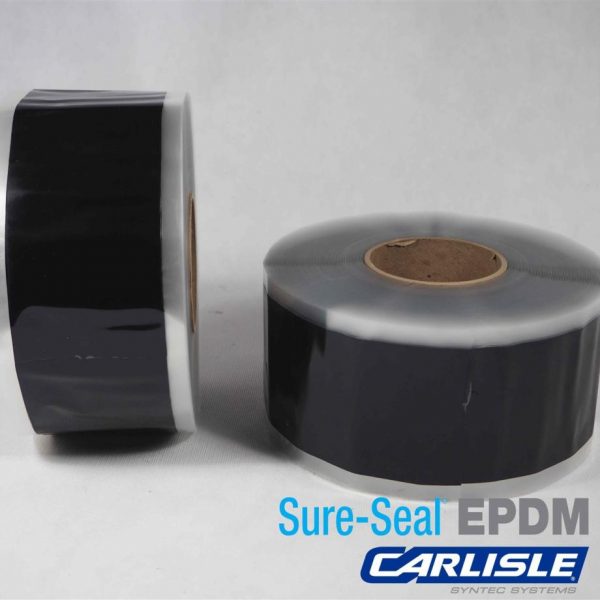
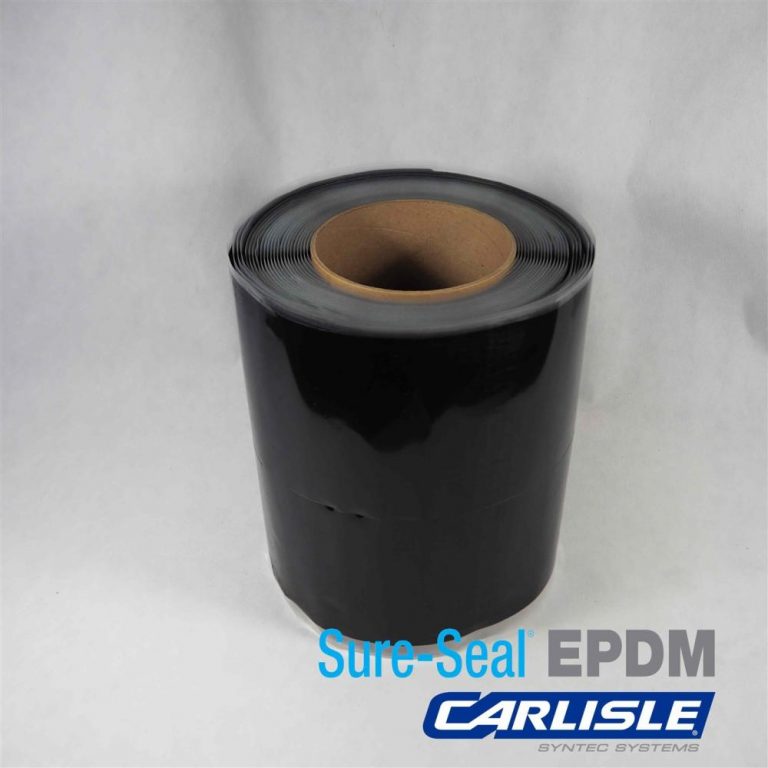
Sealing and treatment – Many bituminous coating companies do not produce joints and components for machining complex areas. Complex locations and joints must be treated with conventional material, which complicates the work and reliability of waterproofing. The EPDM manufacturers produce a complete set of factory components required to process joints, including adhesive elements that are easy to use.
SUSTAINABLE MANAGEMENT OF NATURAL RESOURCES
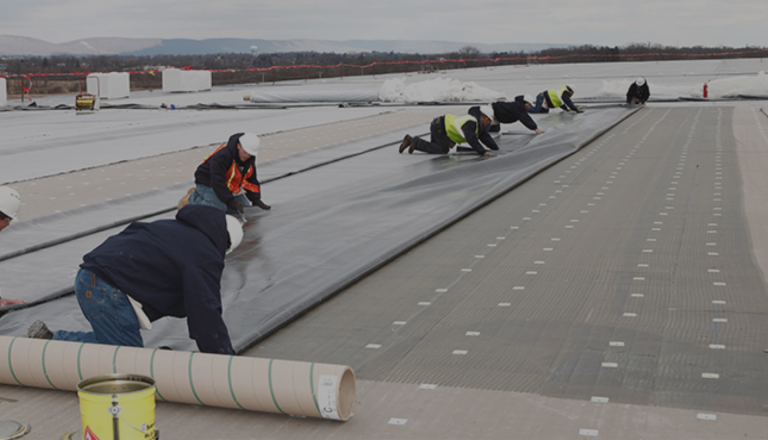
The specific gravity of the EPDM membrane is 1 to 2 kg per 1 m2 depending on the thickness and it is laid in one layer, while bituminous roll materials weigh 3 to 5 kg per 1 m2 and are usually laid in 2 layers, so it takes a lot less natural resources to manufacture the EPDM membranes and this is a reasonable choice.
LESS SEAMS
The high quality seams are the foundation of the reliability of any roofing system. Highly qualified personnel are required to join the seams. In the EPDM roofing system, using 6.1 x 30.5 m rolls, the length of the joints is 6 times shorter compared to bituminous welded rolls with a roll size of 1 x 10 m. The use of suture tape greatly simplifies and speeds up the installation of the EPDM membranes.
SAFE INSTALLATION
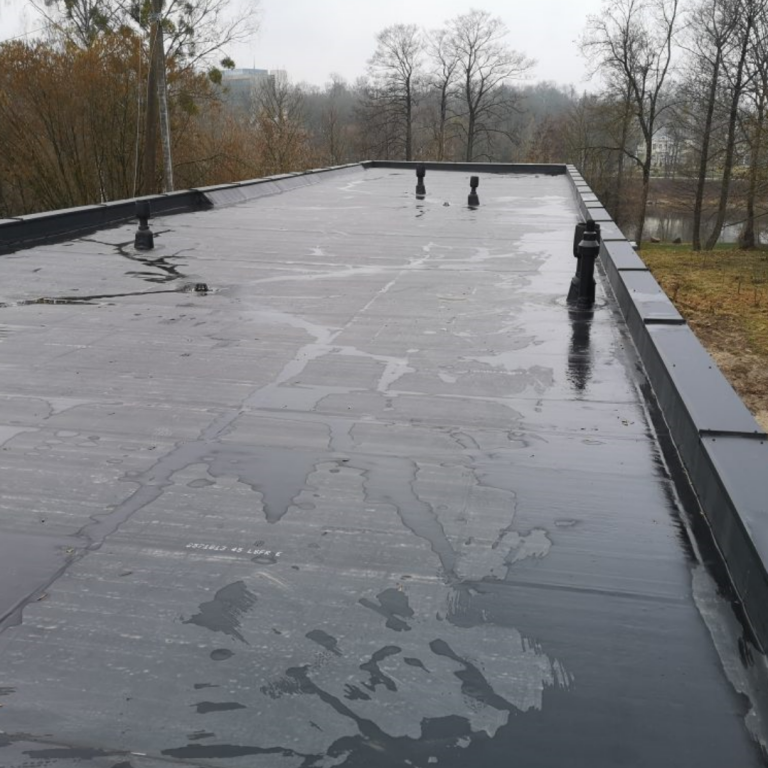
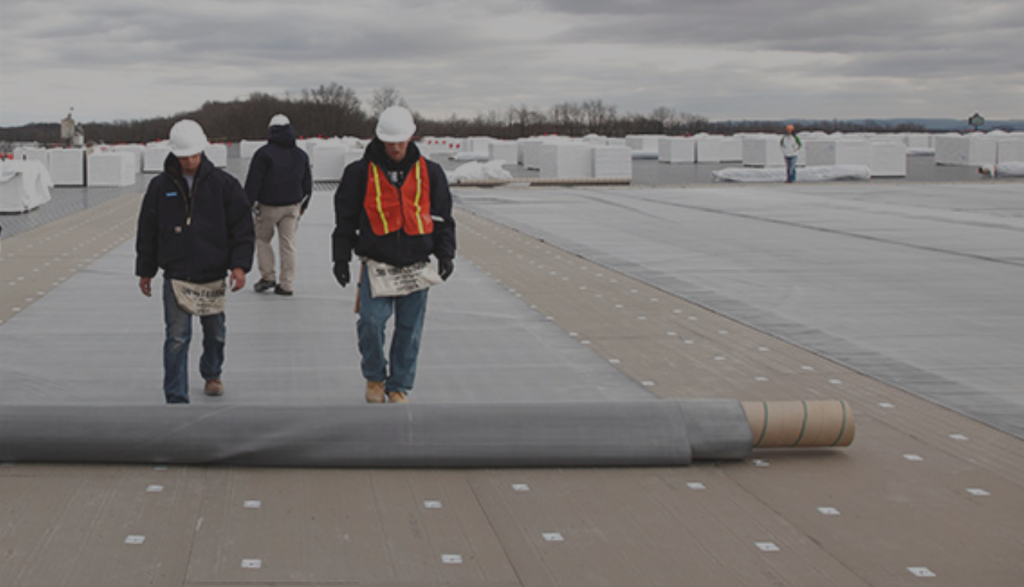
The rolled bituminous pavement requires additional surface preparation and heating with an open fire, which poses an additional risk to the building owners. The EPDM roofing systems are installed using glue, mechanical fastening or ballast, and are much safer and more reliable.
HIGH FLEXIBILITY AND EXTENSION
The EPDM coating has a special elasticity, the roof covering stretches as much as 300 percent, so you need not worry about possible cracks in the event of any structural movement or temperature fluctuations. The EPDM coating remains flexible even at a temperature of minus 45 °C.
EFFECTS OF WATER
Upon constant contact with water, bituminous welded coatings lose the protective sprinkle of the granules, resulting in opening of the bituminous coating, which is sensitive to UV rays. The effect of water on the bitumen coating is the reason why manufacturers refuse to provide long-lasting guarantees. Therefore, bituminous roofs should be designed to avoid water flooding. The EPDM membranes are not subject to this effect. They can even be used for waterproofing ponds and last for many years.
What Roofs are Suitable for EPDM?
EPDM is suitable for nearly any type of roof—ranging from garages and storage sheds to residential homes. It is an excellent choice if you plan to install a terrace on your roof. EPDM roofing is versatile and caters to various needs.
This quality membrane is made from synthetic rubber, which is safe for both the environment and human health. EPDM is characterized by its flexibility and high resistance to both UV radiation and temperature fluctuations. It requires minimal maintenance, making it a fitting choice for almost any roof.
An EPDM-covered roof is protected from water and harmful environmental conditions. This robust membrane, rich in rubber, is suitable for various types of roofs and used for waterproofing.
Since EPDM roofing has fewer seams and they are not easily visible, the roof achieves a more aesthetically pleasing appearance. You can confidently install a terrace on a roof covered with EPDM.
How to Install EPDM Membrane?
Another significant advantage of EPDM roofing is its safe and straightforward installation. In fact, installing this membrane on your roof is not very difficult and can be done by yourself if you have sufficient knowledge. However, our experienced craftsmen are always available to assist with the proper installation of the roofing.
Made from quality materials, EPDM is very strong and resistant to high temperatures. It can be installed at any time of the year, even in freezing conditions. It’s essential to ensure there is no moisture before installation, so it is not suitable for wet weather.
EPDM roofing features robust seam connections, reliable installation technology, and the use of high-quality tools and methods. There is no need for open flames during installation; it can be adhered with adhesives or mechanically fastened to the roof surface.
For more information about EPDM roofing and its advantages, as well as specific offers at competitive prices, please contact our experts. We are ready to help you quickly and effortlessly find the best solution for your roofing needs.