

what is EPDM?
EPDM is an extremely durable roofing membrane made from high-quality materials. The name itself suggests its composition—EPDM stands for ethylene propylene diene terpolymer. The use of EPDM roofing is widespread around the world.
When properly maintained, EPDM can last over 50 years. It is a reliable and long-lasting insulation solution suitable for various types of buildings and more. Additionally, this membrane can be installed in pools, for the hydroizolation of ponds and reservoirs, and for many other needs.
A terrace can also be installed on top of the EPDM membrane. The waterproof EPDM membrane is resistant to high temperatures and is easy to install. It is an excellent, modern alternative to traditional bituminous membranes.
As you continue reading, you will learn everything about EPDM, from the advantages of its composition and unique properties to installation technologies and practical applications according to needs. Our specialists are ready to answer all your questions and help you choose the most suitable membrane for your roof at a reasonable price-to-quality ratio.
Why EPDM coating is the best choice?
Unique Composition of EPDM
EPDM membrane: KREINER supplies waterproofing materials for new or renovated roofs, balconies, terraces, foundations, and green roofs. Our activities include consulting customers, determining the need for materials and delivering them to the right place, as well as providing training for roofers who want to work with our materials. We supply waterproofing materials from warehouses in Lithuania, so we can respond quickly to customer needs.
EPDM membrane sheets are produced in large dimensions (approximately 5-6 meters long). The elasticity of EPDM is remarkable—it can stretch more than 300%. Cracking is not a concern for it. It remains flexible even at very low temperatures.
EPDM roofing is a single-layer membrane. It contains no components harmful to human health or the environment. Rainwater collected from the roof can be used for watering the lawn. EPDM-insulated reservoirs are suitable for cultivating fish and aquatic plants, as this rubber-based material does not release harmful elements into the environment when in contact with water. Due to its composition, EPDM membranes are extremely resistant, and their service life is indeed long.

Longevity

Easy installation

Warranty as of 10 years

Technical support

Delivery

Full set
EPDM membrane
EPDM is a time-tested material under real weather conditions. The EPDM black membrane has been used for roofing worldwide for over 50 years. When testing 30-year-old EPDM specimens, it was found that the tensile strength, tear resistance, flexibility and tensile properties of the specimens meet or exceed the requirements for new membranes, and the material fully retains its durability. The EPDM membrane has high resistance to ozone and UV radiation.
AN ENVIRONMENTALLY FRIENDLY PRODUCT
The EPDM coating does not emit any pollutants, so this choice is especially attractive for those who seek sustainable management of natural resources. The collected rainwater can be used for household and watering lawns or gardens.
SEALING AND TREATMENT
Many bituminous coating companies do not produce joints and components for machining complex areas. Complex locations and joints must be treated with conventional material, which complicates the work and reliability of waterproofing. The EPDM manufacturers produce a complete set of factory components required to process joints, including adhesive elements that are easy to use.
Why is EPDM Membrane One of the Most Practical Choices?
The waterproof EPDM roofing membrane is a time-tested, durable solution. When using this material, structures are completely protected from rain and water, and EPDM membranes meet the highest applicable quality standards. This type of membrane has been used for building insulation for over 50 years.
EPDM offers the following advantages:
UV Resistance
EPDM membranes are suitable for installation anywhere reliable protection from UV radiation is needed. With this membrane, you also gain resistance to sudden temperature fluctuations.
Long Service Life
Practice shows that the EPDM membrane remains almost unchanged for over 50 years. All protective properties of the material remain intact, making this product strong and resilient.
Special tests conducted 30 years after installation have shown that properties such as tear resistance, tensile strength, elongation, and flexibility not only meet but sometimes exceed the requirements set for new membranes.
Easy Installation
Installing EPDM is much easier than bituminous membranes. Advanced installation technology with high-quality tools is used, and the work is carried out by experienced professionals. The installation process leaves fewer seams, resulting in a more aesthetically pleasing appearance.
Flexibility
The EPDM membrane is highly flexible and easily installed on various surfaces. It is resistant to environmental factors, ensuring that building structures remain robust and protected from damaging rain, excess water, and high temperature fluctuations.
Eco-friendliness
Due to its synthetic rubber composition, which is safe for nature and human health, EPDM membranes are among the most eco-friendly choices.
EPDM is a single-layer membrane, while bituminous membranes require installation in two layers. Thus, producing this membrane requires fewer natural resources.
Versatile Applications
EPDM can be used not only for roofs but also for the insulation of ponds, reservoirs, terraces, balconies, and foundations, as well as for pools as a reliable waterproofing solution. There are many and varied applications, and you can always consult membrane specialists for advice.
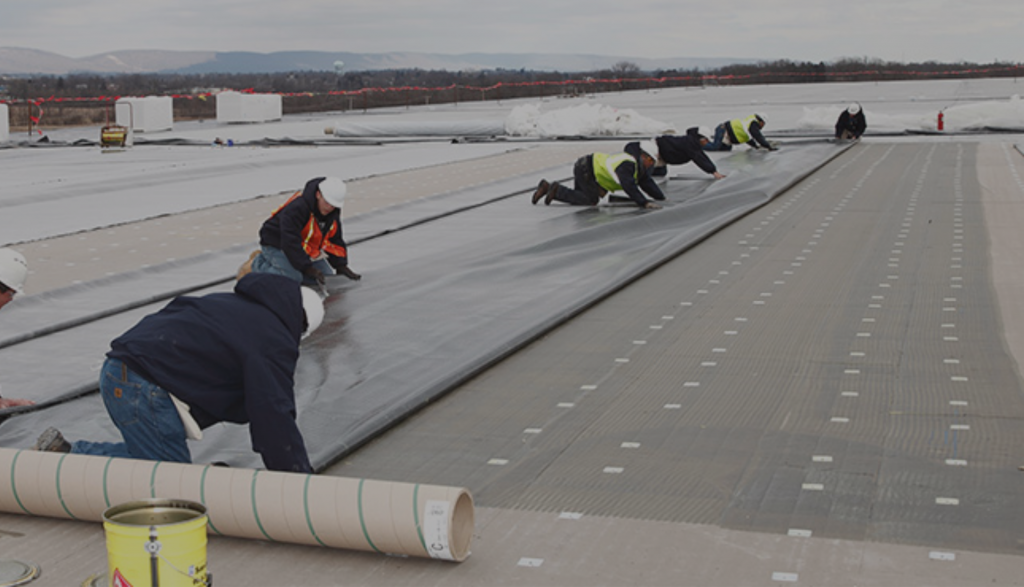
THE EPDM coating FEATURES LONG LIFETIME
- EPDM is a time-tested material under real weather conditions.
- The EPDM black membrane has been used for roofing worldwide for over 50 years.
- When testing 30-year-old EPDM specimens, it was found that the tensile strength, tear resistance, flexibility and tensile properties of the specimens meet or exceed the requirements for new membranes, and the material fully retains its durability.
The EPDM membrane has high resistance to ozone and UV radiation.
Practical Applications of EPDM Membrane
Having reviewed the main advantages of EPDM and understanding why it’s worth using, let’s talk about installation solutions and practical applications.
EPDM membranes are installed by specialists. The material is applied either using adhesives, mechanically fastening it to the surface, or by ballasting. Unlike the installation of bituminous membranes, no additional surface preparation is needed. There is no open flame used for heating, making this method of application significantly safer.
The seams of the EPDM membrane are joined by applying a special primer to the edges of the sheets and placing an installation tape in the middle. This way, the joined membrane sheets are difficult to tear apart with force, let alone crack after installation.
Can I Install EPDM Membrane Myself?
Installing the EPDM membrane is not very complicated—if you have the necessary experience, you can do it on your own. Some joint connections might be a bit more challenging, but with the information available online and by consulting with specialists, it’s definitely achievable. Avoid installing the membrane when the surface is wet. It’s important to steer clear of moisture, and regarding suitable temperatures for installation, any season of the year can work. Make sure to follow all installation recommendations provided by the manufacturer.
Since EPDM membranes are applied to a variety of surfaces and for different purposes, our specialists can ensure the best installation solution for each specific case.
Does EPDM Membrane Require Much Maintenance?
To ensure that the EPDM membrane lasts longer, regular maintenance is necessary. Here are some recommended actions:
- Inspect and Clean Drains: Check the water drainage gutters and clean them, especially if leaves or other debris have accumulated, as this can obstruct water flow. It is advisable to do this annually.
- Examine Seams and Connections: Check the condition of seams and their connections, and reapply waterproofing if necessary. This should ideally be done at least once every five years, especially if the EPDM membrane has been in place for many years.
In general, the maintenance requirements for EPDM are minimal, as it typically does not require much care. However, a little extra attention never hurts, and even minimal maintenance can significantly contribute to the membrane’s longevity and performance.
